
If you wear dentures, choosing the right adhesive can make a big difference in comfort, stability, and confidence. With several types available, you might be wondering which one is best. The truth is, the “best” denture adhesive depends on your specific needs, preferences, and how well your dentures fit.
The Main Types of Denture Adhesives
There are three primary types of denture adhesives: creams, powders, and strips. Each has its own advantages.
Cream Adhesives: Strong Hold and Versatility
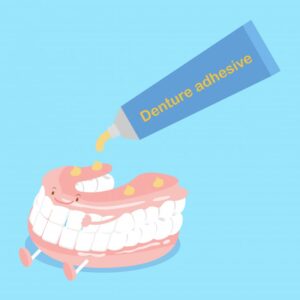
Cream adhesives are the most popular option. They come in a tube and are applied directly to the denture before placing it in your mouth. They offer a strong, long-lasting hold and help create a seal that keeps food particles out.
Research shows that adhesive creams generally provide stronger hold compared to powders, making them a great choice for all-day stability.
Creams are ideal if you want maximum security and don’t mind a little extra cleanup.
Powder Adhesives: Lightweight and Easy to Use
Powder adhesives are sprinkled onto wet dentures before insertion. They provide a lighter hold compared to creams but are less messy and easier to clean.
Powders are a good option if your dentures already fit well and you just need a bit of extra stability.
Adhesive Strips or Seals: Convenient and Mess-Free
Adhesive strips (also called wafers or seals) are pre-cut and placed directly on the denture. They provide a clean, no-mess application and can be more comfortable for some users.
These are great for beginners or anyone who prefers convenience and easy removal.
Which One is Best for You?
- Best for strong hold: Cream adhesives.
- Best for easy cleanup: Powder adhesives.
- Best for convenience: Adhesive strips.
It’s important to remember that adhesives are meant to enhance the fit of dentures, not fix poorly fitting ones. If your dentures feel loose even with adhesive, it’s time to see your dentist for an adjustment.
Choosing the Right Adhesive
The best denture adhesive is the one that fits your lifestyle and provides comfort without irritation. Some people may even try a few different types before finding their favorite.
No matter which type you choose, proper denture care and regular dental checkups are key. The right adhesive can improve your daily comfort, but a well-fitting denture is the foundation of a confident, healthy smile.
About the Author
Dr. Kimberly Peters has been practicing dentistry for more than a decade. She earned her dental degree at the Medical College of Georgia and throughout her career has completed several hours of continuing education through the Hinman Dental Society and consistently works to expand her knowledge and skills to better serve our patients. Interested in restoring your smile with dentures? We can help! Book online or call (770) 922-1666.