
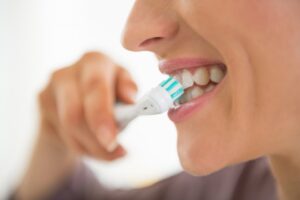
Most people have followed the same routine since childhood: brush your teeth, rinse your mouth with water, and move on with your day. However, many dentists now recommend skipping that final rinse. While it may feel strange at first, not rinsing after brushing can actually provide additional benefits for your teeth.
So, should you rinse your mouth after brushing? The answer may surprise you.
Why Dentists Often Recommend Not Rinsing
Most toothpastes contain fluoride, a mineral that helps strengthen tooth enamel and protect against cavities. When you brush your teeth, fluoride is left behind on the surfaces of your teeth.
If you immediately rinse your mouth with water, you wash away much of that fluoride before it has time to fully do its job. By simply spitting out the excess toothpaste and avoiding a rinse, you allow the fluoride to remain on your teeth longer.
This extended exposure can help maximize the cavity-fighting benefits of your toothpaste.
What Should You Do Instead?
After brushing for two minutes, spit out the toothpaste but avoid vigorously rinsing with water.
You may notice a slight toothpaste residue in your mouth, but this is normal. The small amount of fluoride left behind continues to protect your teeth after brushing is complete.
If you’re concerned about the taste or texture, you’ll likely adjust quickly as it becomes part of your routine.
What About Mouthwash?
Many people use mouthwash as part of their oral hygiene routine. If you’re using a fluoride toothpaste, timing matters.
Using mouthwash immediately after brushing may wash away the fluoride that was just applied to your teeth. Instead, consider using mouthwash at a different time of day, such as after lunch or between brushing sessions.
If your dentist has recommended a specific therapeutic mouthwash, follow their instructions regarding when and how to use it.
Are There Exceptions?
Certain prescription toothpastes or specialized dental products may come with specific instructions regarding rinsing. Always follow the directions provided by your dentist or the product manufacturer.
Young children may also require supervision to ensure they use toothpaste appropriately and avoid swallowing excessive amounts.
Don’t Forget the Basics
Whether you choose to rinse or not, the most important aspects of oral hygiene remain the same:
- Brush twice daily with fluoride toothpaste.
- Brush for at least two minutes.
- Floss once per day.
- Visit your dentist regularly.
- Maintain a healthy diet.
These habits work together to keep your teeth and gums healthy.
While rinsing after brushing isn’t necessarily harmful, skipping the rinse may allow fluoride to provide greater protection against tooth decay. Simply brushing thoroughly, spitting out the excess toothpaste, and letting the fluoride remain on your teeth can be an easy way to boost your oral health.
About the Author
Dr. Kimberly Peters has more than a decade of experience practicing dentistry. She earned her D.M.D. degree at the Medical College of Georgia (now known as Augusta University Dental College of Georgia). Throughout her career, Dr. Peters has completed several hours of continuing education through the Hinman Dental Society to expand her knowledge and skills to better serve her patients. If you’re looking for excellent preventive care for your oral health, book an appointment online or call our Conyers office at (770) 922-1666.