
Gum Disease Treatment – Conyers, GA
Don't Let Gum Disease Go Unnoticed

Gum disease affects millions of adults every single year, and most don't realize they have it until the damage is done. That's because the early stages are often painless, making routine screenings the only reliable way to catch it in time. Our team takes a conservative, patient-focused approach to gum disease treatment in Conyers. Our goal is always to do what's necessary and nothing more, so you leave with a healthier smile and complete confidence in your care.
Why Choose Hillcrest Dentistry for Gum Disease Treatment?
- Conservative Care That Only Recommends What You Need
- Modern Dental Facility with State-of-the-Art Technology
- Judgment-Free Dentistry with Welcoming Professionals
What Is Gum Disease?

Gum disease (also called periodontal disease) is a bacterial infection of the gum tissue surrounding and supporting your teeth. It typically begins as gingivitis, a mild, reversible inflammation caused by plaque buildup along your gumline.
However, without treatment, it can turn into periodontitis. This is a more serious condition in which bacteria slip under your gumline and begin damaging the bone and connective tissue that hold your teeth in place—sometimes leading to tooth loss.
This is why it’s so important to see our team for regular dental checkups. When caught early, gum disease is highly treatable.
Symptoms of Gum Disease

Gum disease doesn't always come with obvious pain, but other warning signs could give you a clue, such as:
- Gums that bleed during brushing or flossing
- Red, swollen, or tender gum tissue
- Persistent bad breath that doesn't improve with brushing
- Gums that appear to be pulling away from the teeth
- Teeth that feel loose or have shifted position
- Visible pockets or spaces forming between teeth and gums
If any of these sound familiar, don't wait. Catching gum disease early simplifies treatment and helps protect the long-term health of your smile.
How Do We Treat Gum Disease?

Our Conyers dental office offers two effective treatments for gum disease. The right option depends on the severity of your condition. When you come in for your consultation, Dr. Peters will assess your smile and follow up with his recommendations.
Chao Pinhole Technique
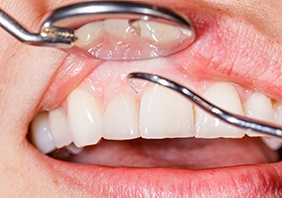
For patients dealing with gum recession, the Chao Pinhole Technique offers a minimally invasive alternative to traditional gum grafting. Rather than removing tissue from another part of the mouth, Dr. Peters uses a small pinhole entry point to gently reposition existing gum tissue back over the exposed root surfaces. There’s no surgery and no need for sutures, lowering recovery time and making it a comfortable, efficient option. If you’re looking to restore both the health and appearance of your gumline, schedule an appointment to find out if this technique is right for you.
Scaling & Root Planing
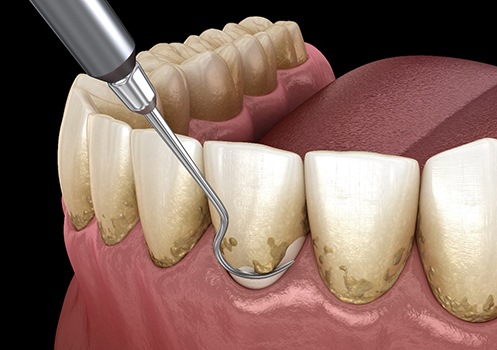
Whether it’s been a while since your last dental exam and cleaning, or the effects of later stages of periodontal disease have begun to take their toll on your smile, a deeper cleaning may be necessary to get your teeth and gums looking and feeling their best. Scaling and root planing is a two-stage treatment designed to clean above and below the gumline, clearing away dangerous deposits of harmful oral bacteria that can cause harmful side effects like visible plaque buildup, receding gums, and even tooth and bone loss.
Do I Need Scaling & Root Planing?
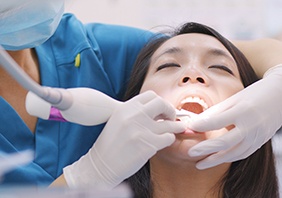
While it is sometimes possible to reverse the beginning stages of gum disease known as gingivitis by improving your at-home oral hygiene routine, if Dr. Peters observes any signs of advanced periodontal disease such as bleeding when brushing or flossing your teeth, puffy or receding gums, persistent bad breath, or visible plaque buildup, she may recommend a two-stage gum disease treatment called scaling and root planing to correct it.
The Process of Scaling & Root Planing
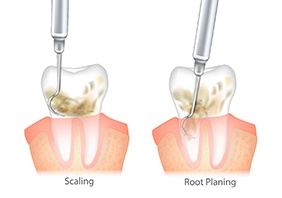
In most cases, scaling and root planing must be performed over the course of two separate dental appointments. During your first visit, we will use a dental scaler to remove the tartar and plaque buildup from the surfaces of your teeth, reaching as far down as the gingival pockets.
Then, in one to two weeks, you’ll return to our office for Dr. Peters to remove the hardened deposits of bacteria that have accumulated on the roots of your teeth below the gumline. This can help reduce your risk (along with an improved oral hygiene routine) of further infection by controlling bacteria levels and preventing them from repopulating in your periodontal tissue.
Aftercare Tips for Scaling & Root Planing

Because scaling and root planing can be an intensive procedure, we typically space appointments a week or so apart to give your mouth a chance to heal. During this time, it is common to experience an increase in sensitivity and discomfort. Thankfully, this is completely normal and temporary. To help make this time more comfortable, we recommend the following aftercare tips:
- To help soothe the gums and make it easier and more comfortable to brush and floss your teeth, rinse your mouth with warm saltwater after each meal. Just mix ¼ teaspoon of salt for each eight ounces of water.
- When you brush your teeth, always use a soft-bristled toothbrush, and brush in small, gentle, circular motions.
- Temporarily avoid any foods and beverages that are hot, spicy, acidic, or that contain alcohol, as these can irritate the gums after treatment.
- Do not smoke, vape, or chew tobacco.
- Eat a soft diet for the first 48 hours after each stage of your scaling and root planing treatment.
- Do not participate in any strenuous physical activity for the first 24 hours after each stage of treatment. Exercise diverts blood away from the gums, extending the healing process.
If you’re ready to have a cleaner, healthier smile and reduce harmful oral bacteria that could put your smile at risk for tooth and gum loss, contact us today to schedule a scaling and root planing treatment.
Gum Disease Treatment FAQs
Is Gum Disease Contagious?
Gingivitis involves inflammation that occurs underneath the gums, which isn’t in itself an infectious or contagious condition. However, the bacteria that accumulate in your saliva because of gum disease can act similarly to illnesses like a common cold or flu. That’s why you’ll want to avoid sharing toothbrushes, straws, eating utensils, or any other thing that could spread bacteria from person to person. Make sure to implement good oral hygiene habits and refrain from using someone else’s items, as this can significantly reduce your chances of developing gum disease.
Can I Prevent Gum Disease at Home?
Keeping periodontal disease away starts with making your oral health a daily priority. Regular brushing and flossing help remove the plaque and bacteria that can irritate your gums and lead to infection. Professional dental cleanings are also important because they can remove buildup that brushing and flossing may miss. If you’ve experienced gum disease before, your Conyers dentist may recommend more frequent visits to help protect your gums. A consistent routine at home, combined with regular dental care, can go a long way toward maintaining a healthy smile.
What Is the Difference Between Plaque & Tartar?
Plaque is a colorless, sticky film that can develop on top of your teeth. The bacteria within this substance can secrete acid that can lead to gum irritation and tooth decay, which can lead to problems like gum disease. If plaque isn’t treated or removed regularly via brushing and flossing, it can start to form into tartar – a hardened substance that is difficult to scrub off with a regular toothbrush. In most cases, tartar will need to be removed with professional treatment. To avoid this, it’s important to keep up with your oral hygiene routine as well as to visit your dentist every six months for regular checkups and cleanings.
Is Gum Disease Related to Other Diseases?
Your oral health can have an impact beyond your teeth and gums. Ongoing gum disease has been associated with several health concerns, including heart disease, diabetes, respiratory problems, and certain pregnancy complications. While the exact connection is still being studied, inflammation and bacteria associated with periodontal disease may play a role. Taking care of your gums with daily brushing and flossing, along with regular dental checkups and cleanings, can help reduce the risk of gum problems and support your overall health.